Guides · By Vlad, VGZ · November 11, 2026 · 5 min read
Every polishing quote in York Region comes down to one question: does this paint need one machine stage or two? Get it right and you pay for exactly the work the clear coat needs. Get it wrong one way and swirls are still there in the sun. Get it wrong the other way and you have paid for cutting the paint did not need. This guide is the same explanation Vlad gives on the phone.
What a “step” actually is
A step is one full pass over the car with one combination of pad and compound. The machine polisher levels the top of the clear coat by a few microns, which takes the scratched, hazy surface down to fresh, flat clear coat underneath. Nothing is added to the car. Damage is removed, not filled or hidden under wax.
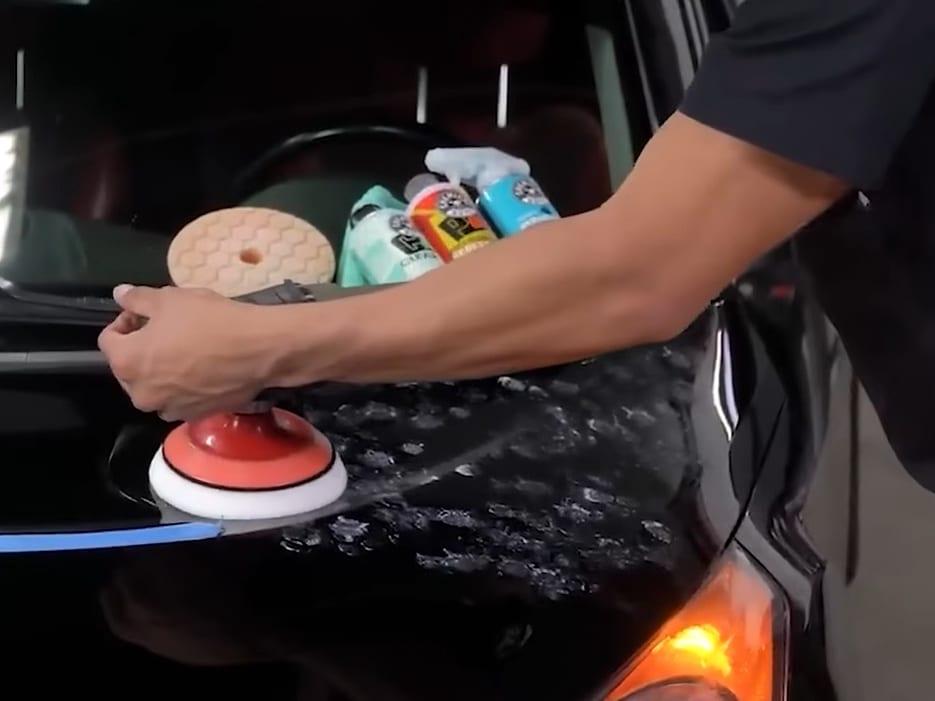
A 1-step polish uses a single, fairly fine combination. It cuts lightly and finishes glossy in the same pass. A 2-step polish, which is what most people mean by “paint correction”, starts with a heavier cutting compound to level the deeper defects, then follows with a finishing polish to refine the surface and bring the gloss up. Two passes over every panel, roughly twice the hours.
What a 1-step fixes
For most daily drivers, especially newer cars and lighter colours, a 1-step is the right call. It handles:
- Light swirl marks from washing and drying
- Haze and a dull, flat look that makes the colour seem washed out
- Fine wash marring you only notice in direct sun
- Gloss and depth of colour that have slowly faded
A 1-step will not take out everything. A few of the deeper swirls will remain if you look for them under a bright light. But it removes most of what is visible from a normal distance and brings the shine back in a day, which is the trade most owners want.
When paint needs a 2-step
Some paint has been through more than a light polish can level:
- Oxidation: paint that looks chalky, faded or milky, common on cars that sit outside year-round
- Deeper swirls and scratches from years of brush car washes
- Holograms and buffer trails left by a previous rushed polish
- Water spot etching and bird-dropping marks that have started to bite into the clear coat
- Dark colours, especially black and dark grey, where every mark shows and a light polish looks unfinished
On paint like this a 1-step just takes the edge off. The cutting stage of a 2-step levels the damage first, and only then does the finishing stage make sense. That is why a 2-step is the usual answer for a neglected black car and rarely needed on a three-year-old white one.
What neither of them fixes
- Scratches that went through the clear coat into the colour or primer. Those need touch-up paint or a body shop. The fingernail test tells you which you have.
- Clear coat that is already peeling or flaking. Polishing cannot rebuild clear coat that is gone; that panel needs repainting.
- Faded plastic trim. Polishing is for paint and headlight lenses.
What each costs in Newmarket and York Region
VGZ prices by vehicle size, not by how long Vlad feels like spending. These are the real numbers, in Canadian dollars:
| Vehicle | 1-Step | 2-Step |
|---|---|---|
| Coupe | $280 | $420 |
| Sedan | $350 | $490 |
| Van | $350 | $530 |
| Pickup Truck | $390 | $530 |
| CUV / SUV | $390 | $530 |
Both include a sealant on the finished paint. The full list, including headlight and touch-up pricing, is on the pricing page.
How Vlad decides which one you need
From your photos first. Take two or three in daylight, including one close-up of the worst panel at an angle so the swirls show, and send them by text or WhatsApp. That is usually enough to say 1-step or 2-step and give a firm price. On the day, the paint is checked panel by panel under proper light before the machine touches it. If it turns out to need less than quoted, you pay for less.
Read more about paint correction and polishing, or send a photo for a quote. And once the paint is corrected, this guide on keeping it that way is worth five minutes.